




From London Fringe to Public Theatre: How Bleach Became Cloro in Mexico City
HAORAN ZHONG writes about what happens when a British fringe work leaves the small-scale theatre ecology that shaped it and is rebuilt inside another city's public cultural system.
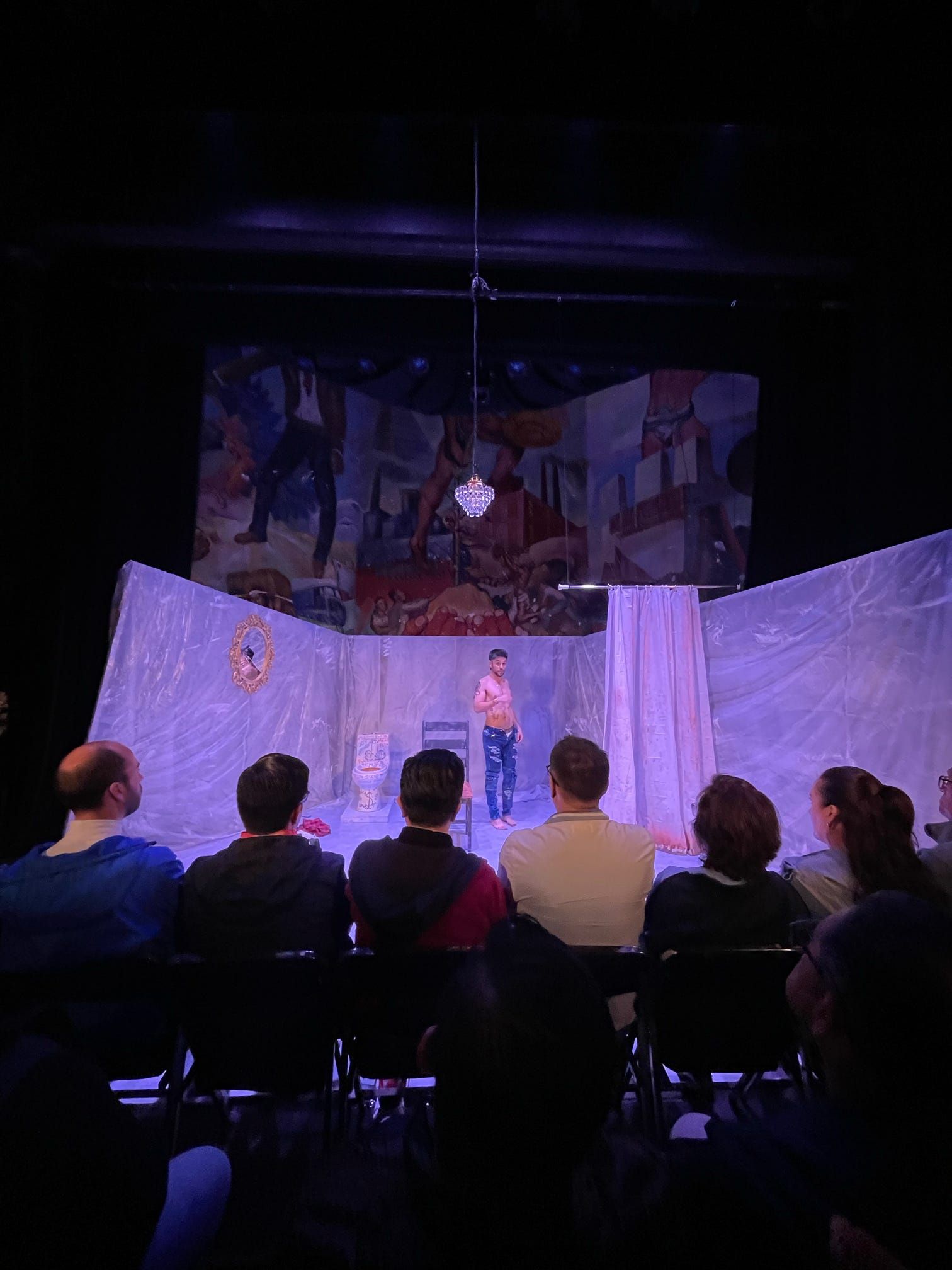
The case is CLORO, the 2026 Mexico City adaptation of Dan Ireland-Reeves' award-winning British solo play Bleach. Produced by Hechale Productions, translated and directed by Mexican-American theatre-maker Héctor Zavala, and performed in Spanish by Alberto Garmassi.
HOARAN ZHONG
The project began with what seemed like a familiar challenge: translating a British fringe text for another audience. In practice, that question quickly became much bigger. Bleach is deeply rooted in a particular London world — housing pressure, queer nightlife, sex work, masculinity, intimacy, danger and the economic precarity of surviving in a major city.
Once the play moved to Mexico City, those cultural references could not simply be transferred unchanged. The production had to ask: Which parts of the work still belonged to London? Which social codes remained legible? Which elements had to change? And what happens when a character created through one city is embodied by another actor before a completely different audience? Even the movement from Bleach to Cloro became part of the dramaturgy.
The words are related, but their sensory associations differ. In Spanish, cloro immediately evokes chemical smell, bathrooms, swimming pools, domestic cleaning and disinfection. The title itself therefore began to alter the atmosphere of the work before the actor had even spoken. The performer became another form of translation.
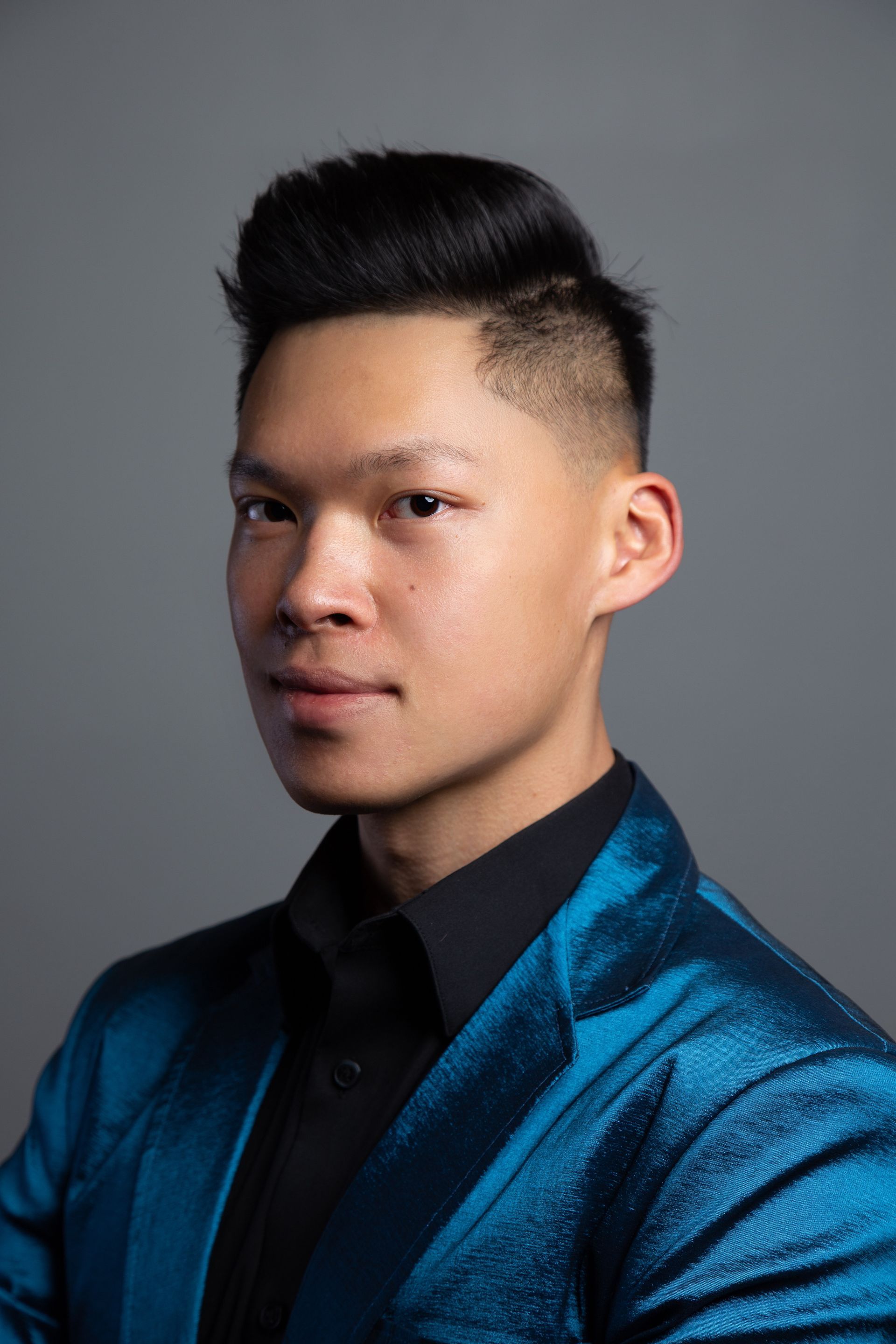
Alberto Garmassi's rhythm, gestures, masculinity, vulnerability and relationship with the audience inevitably changed the character. This raises a question that I think is particularly relevant to fringe theatre, where productions are often intimately connected to a particular performer, venue and social environment: How much of a fringe work can travel before it becomes another work altogether? The project then took an unusual institutional turn.
In 2026, CLORO entered the official cultural programming of Mexico City through the Secretaría de Cultura de la Ciudad de México and the Sistema de Teatros. It was selected within the Ciudad Escena 2026 framework and presented through the city's public theatre network, including Teatro Sergio Magaña and Foro A Poco No.
The official Ciudad Escena framework provides selected professional performing-arts projects with access to public venues and technical, operational, administrative, promotional and audience-support infrastructure, alongside an economic stimulus mechanism connected to performances.
That meant a British fringe work was not simply touring internationally. It had moved from a small-scale independent theatrical genealogy into a publicly supported Latin American theatre ecology. For me, that shift raises an interesting question about the future of fringe theatre. Fringe work is often celebrated because it is mobile, risky, inexpensive and responsive. But when such a work travels internationally, there is always a danger that "international success" simply means reproducing the original production in another country. CLORO followed a different route.
Rather than treating Mexico City as a destination for a finished British product, the production allowed another city, another actor, another language and another institutional context to reshape the work. That process turned translation into something closer to dramaturgy. Héctor Zavala's own background is important to that story.
His theatre practice has developed over more than two decades between Mexico and the San Francisco Bay Area, moving across English- and Spanish-language performance and Mexican, Chicano and Latinx cultural contexts. He was therefore not approaching Bleach as a neutral translator standing outside both cultures. His own practice already exists between different theatrical environments.
The Mexico City performances also brought members of the British diplomatic community into the audience, adding another layer to the production's international life.However, I think the more interesting story is what happened before the language of cultural diplomacy entered the room. It happened in rehearsal:
when a line no longer carried the same meaning; when a cultural reference had to remain deliberately foreign; when a performer's body changed the politics of a scene and when a British text began to belong partly to another audience.
The proposed feature would therefore explore the path from British fringe theatre to Mexico City's public theatre system, using CLORO as a case study in how small-scale new writing can acquire a second life internationally without simply being replicated.
Hechale Productions has since established Centro Cultural Casa Hechale in Mexico City, a permanent cultural centre for theatre, performance, dramaturgy, artist residencies, research and international exchange.
Casa Hechale responds to the same practical problem raised by CLORO: if international fringe work is to become more than touring, artists need time, rehearsal space, translation, local collaborators, dramaturgy and sustained relationships.