


Producer/actor Duru Agirbas is bringing a 19th Century Turkish play about arranged marriage to London audiences for the first time. An all-female creative team reimagines İbrahim Şinasi’s classic, swapping the Ottoman Empire for modern, multicultural London. ‘Gelin’ (meaning Bride, in Turkish) is a hilariously chaotic, charming and honest new play exploring the complexities women face across cultures, from family expectations to the fragile but powerful bonds of female friendships.
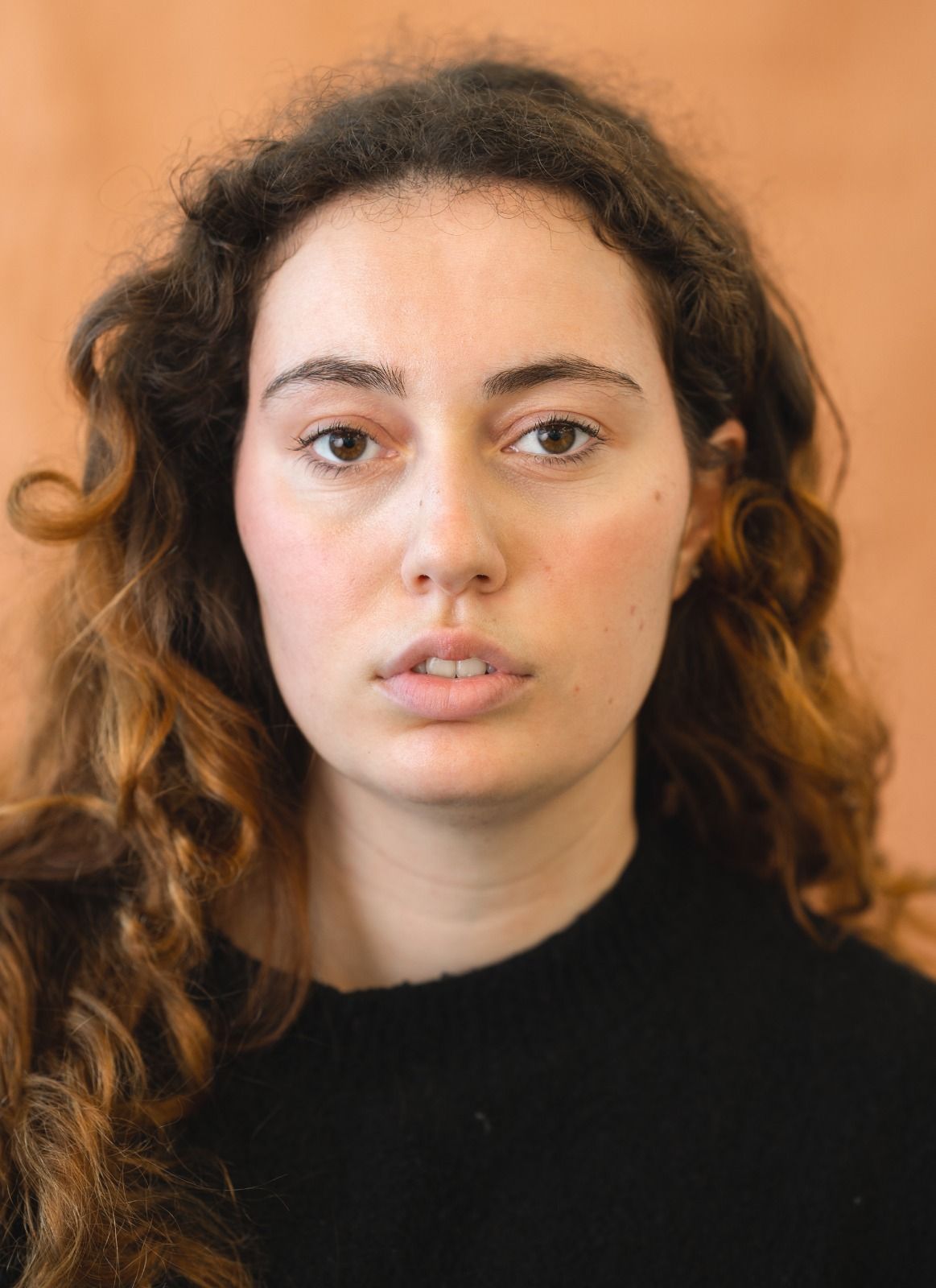
Image: Duru Agirbas
LPT: We think the play potentially pans out as a kind of romcom in which the protagonist chooses to have an arranged marriage? How far does that hit the mark?
Duru Agirbas: I would consider our play as a Satirical Comedy, rather than a romcom. There is the topic of arranged marriage in the play, and there are bigger themes we explore, such as generational clashes. We also focus on women’s relationships, especially between a mother and daughter and between friends, which are not touched on in the original play at all. The key point is that our protagonist, Aylin, considers to have an arranged marriage not because she wants to, but because she is frustrated with dating in the new generation and, most importantly, wants to make her mum proud.
The original playwright, İbrahim Şinasi, was considered radical in his day. Could you tell us a little about this.
He was one of the intellectuals living in the Ottoman Empire who pushed for reform and modernisation through his translations and writing. In his writings, because of his experience and knowledge of both Eastern and Western cultures, he combined Eastern and Western civilisations. The play was ahead of its time - he brought together Turkish traditional folk theatre and combined it with Western comedy, and focused on one of society’s major social issues through his depiction of cultural and traditional aspects of arranged marriage.
How far do you believe that the new play has a similar rebellious edge?
I think it has a rebellious edge because, first of all, we have adapted it for a whole new generation and completely new dating habits, while also empowering women and putting them at the forefront. We fully flipped the story to a woman’s perspective and replaced the outdated “ugly vs. pretty sisters” trope with friends who have depth beyond their looks, creating a new dynamic.
It’s also similar in the sense that I decided to collaborate with an English writer, Estelle Warner, to create a mix of two cultures, while still keeping the Turkish culture at its core. Moreover, with our director Erica Rose Lima’s direction, we maintain Turkish traditions while adding her own voice and style, creating a rich mix of cultures, similar to Şinasi in ‘Poet’s Marriage’, but this time through a distinctly female lens.
You are aiming to build a cultural bridge between Turkish and British society with this play. Why is this important to you?
It is very important to me personally. I moved to London for my BA in Acting and Performance at the University of the Arts London back in 2020, which I graduated from in 2024. As a Turkish artist, the rituals, customs and social expectations of our culture have always fascinated me and have been a big part in my projects. Instead of Turkey, we’ve also moved the setting to the United Kingdom, focusing on the story of Aylin, a Turkish immigrant in London.
How far do you hope that other diasporic communities are going to find this productive?
Making art in London for nearly six years now and working in different theatres here in London, I wanted to connect Gelin to this dual-identity I’ve cultivated, exploring how our community and culture sits within this vibrant and diverse city. I’m interested in making plays that speak to specific communities while still resonating with a wide audience. That balance reflects London to me, a city shaped by different cultures living and learning alongside each other.
Does the casting reflect this?
During my time working for theatres like New Wimbledon Theatre and Theatre Peckham, I got to work with different leading creatives and emerging artists. Taking from my experiences working with bigger theatres, I wanted to create an international and young emerging cast and creative team. We have cast and creatives from different parts of the world, China, Brazil, England, and Turkey, which has made the play stronger by allowing everyone to bring their own voice into it.
I think it will be great for Turkish audiences to see and relate to elements of the cultural script, while the fact that it’s written in English and set in London makes it accessible for English audiences, as well as for diasporic communities who can see that they, too, can bring their own cultures onto the stage.
As an actor yourself, could you tell us some of things that you really love about İbrahim Şinasi’s 1859 comedy, and the role that you are playing?
I really like the themes, the humour, and the plot twist, which feel timeless in the story. I especially liked that, and it has inspired us that the writer uses satirical comedy, as it allows misunderstandings and the idea of characters not truly hearing each other through humour.
The story highlights today’s societal changes, generational clashes, and the pressures around independence, age, and marriage faced by women. I really like my character because she is both similar to and different from me. Like Sevim, who is the mum of our protagonist Aylin, I really believe in the power of community. However, Sevim is much more connected to older traditions and values. It has been really interesting to capture that.
The love she has for her daughter, combined with her fear of society, leads her to control her daughter’s life, believing she is doing the right thing by pushing her. For Sevim, she experiences a coming-of-age, too, a chance to rewrite what womanhood means for her and the relationship she has with Aylin, which is at the heart of Gelin. This makes her an interesting character to portray, but also one that is relatable and very real, as she reflects people who exist in everyday life.
Is there something that you love about ‘old values’ such as gender norms, and matchmaking customs and are these being lost?
I think the old values I admire the most are those related to human relationships, such as family bonds, showing respect to the elderly and children, and maintaining strong relationships with neighbours. In today’s fast-paced world, we often forget these more human values, which were taught and reinforced especially in my parents’ and grandparents’ time. Days like funerals and weddings, just like in the play, were moments when the whole family came together, to celebrate, laugh, and eat together. I really like that we still try to keep these traditions alive in our communities. Especially in a city like London, they feel even more important, and I like including these scenes in my play as a way to represent that sense of togetherness.
160 years later, this fresh script reframes the action with today’s pop culture, humour and digital-first relationships in mind. How far do you think Şinasi’ would approve?
I think he would have approved of us questioning today’s ideas of right and wrong, just as he did in his plays, and of us discussing current problems. I also believe he would support the inclusion of Turkish culture and traditions in English theatre. The new perspective, I think, that he might not have explored himself but would have approved of, is the female perspective.
Do you have a favourite scene or line that you could share with us here?
My favourite scene is the wedding scene. I don’t want to give spoilers, but even when I read Şinasi’s play, I found it incredibly funny and surreal. It almost feels unreal because it’s so shocking and happens so quickly.
One of my favourite lines is, “They ask as if I failed, not you.’ which my character says to Aylin. Without giving away spoilers, this line is special to me because it shows how the mum could be seen as the villain while Aylin is fighting social pressure. At the same time, it highlights the frustrating miscommunication between them and reminds us how important it is to truly listen to one another.
Finally, please tell us about some of the things that excite you most, about bringing this play to London audiences.
I think the idea of a Turkish audience being able to relate to the play is really important. They can look at it and think, “Oh yes, this happens at home.” Having the Turkish language spoken on stage and Turkish actors performing can inspire young Turkish actors, while also giving the audience something familiar to connect with. I hope the audience will find themselves feeling part of Aylin and Sevim’s story, giving non-Turkish viewers to experience our culture, whilst feeling familiar to those who are Turkish. It allows them to feel part of this culture and household, and to feel welcomed. Ultimately, I think the play leaves the audience with the feeling that it’s important to listen to and understand one another, to respect each other and be true to ourselves.
GELIN runs at Westminster’s Canal Café Theatre on Saturday 31 January and Sunday 1 February 2026. Tickets start at £8 and are available via canalcafetheatre.com
Social media links: @Gelin_Play @CanalCafeTheatre
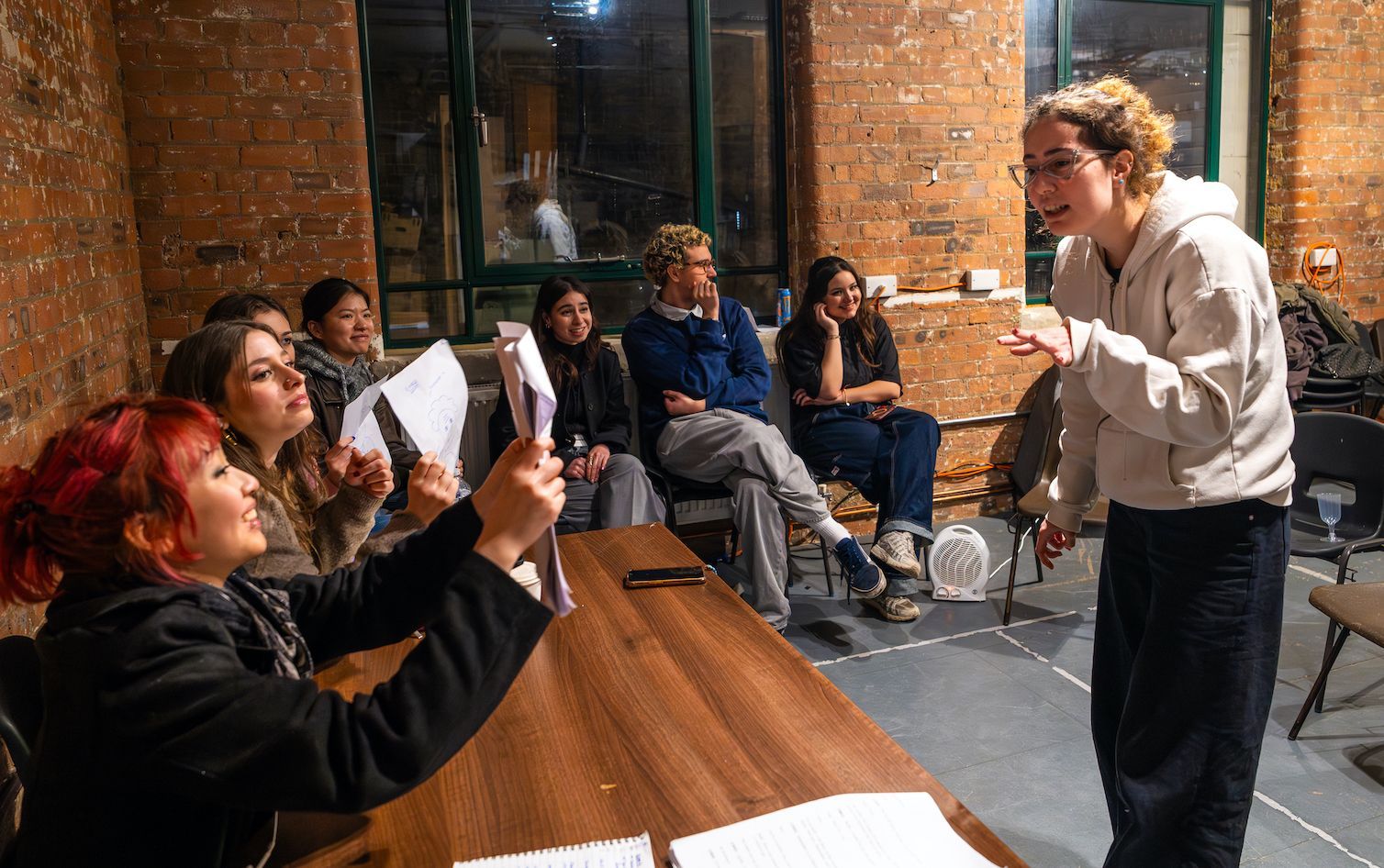
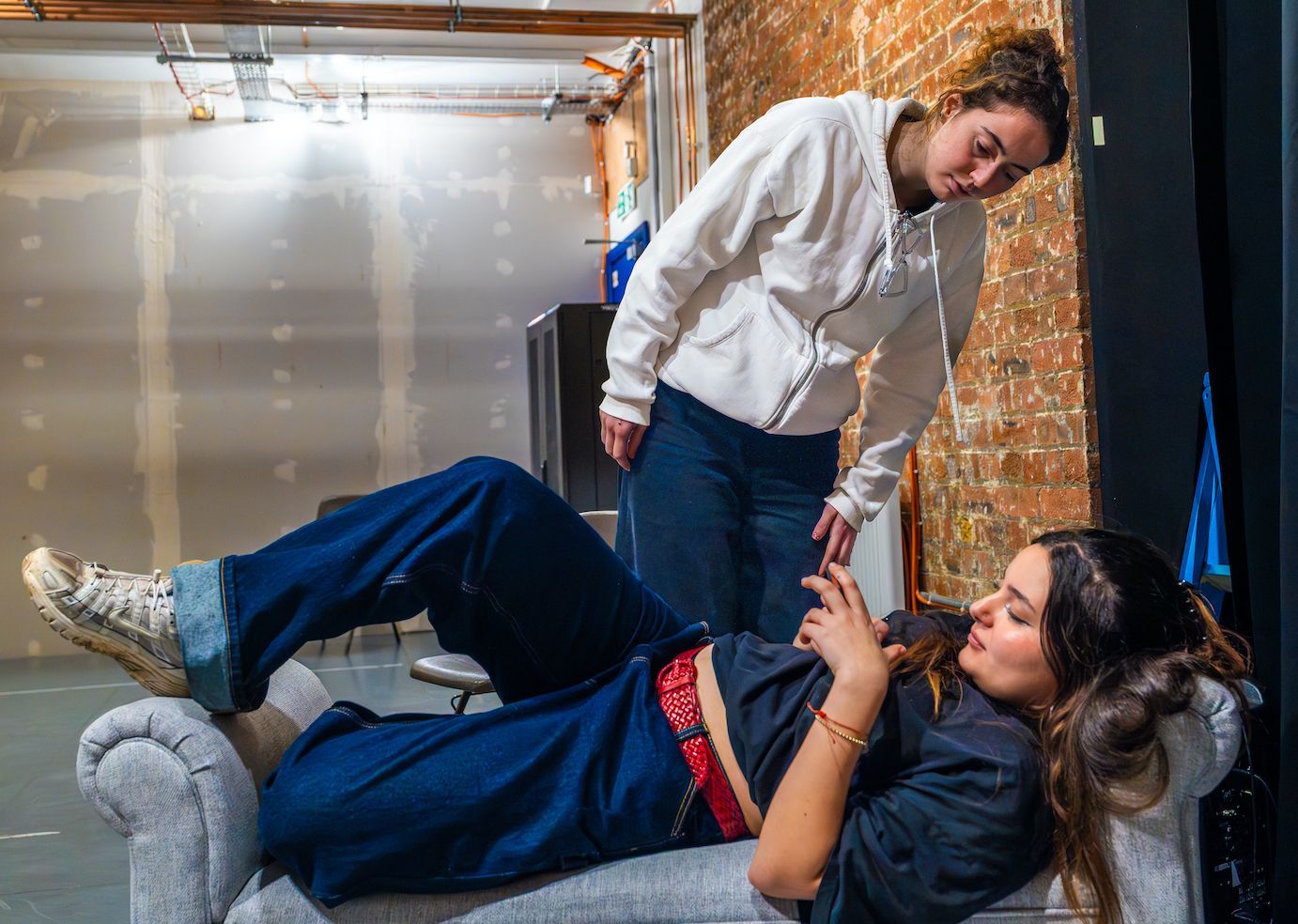
Images below: Rehearsal are underway (photography credit: Cinar Unal)

Duru Agirbas, Erica Rose Lima and Christy Cheung in rehearsals